The best chance on the island of seeing orcas in numbers, and a real sense of the coast before roads
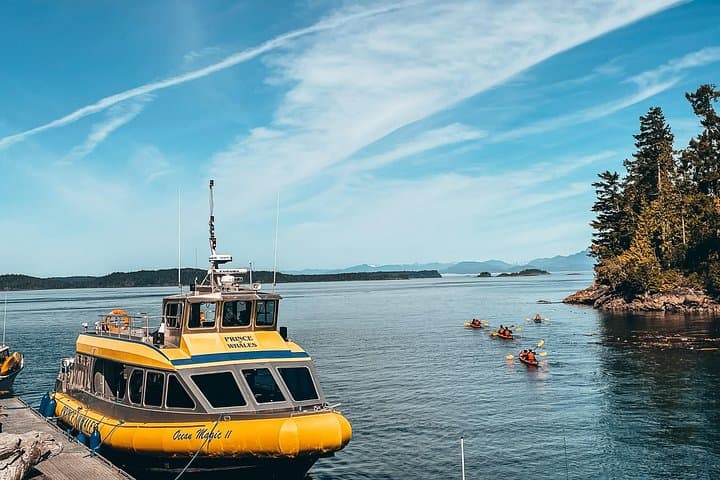
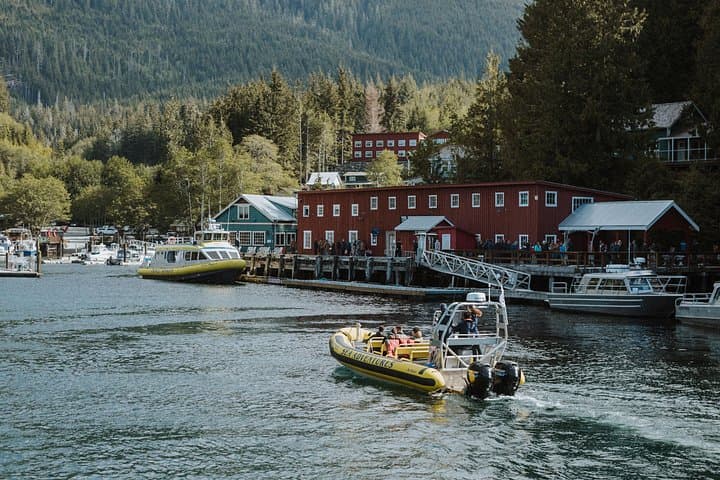
Telegraph Cove is a former cannery and sawmill settlement on stilts over a tiny harbour, three hours north of Campbell River, and it exists today for one reason: Johnstone Strait, the channel between the island and the mainland where the northern resident orcas gather every summer to feed on salmon. The whale-watching and kayak operators work from the boardwalk, the Whale Interpretive Centre sits at the end of it, and there is not much else — which is the appeal.
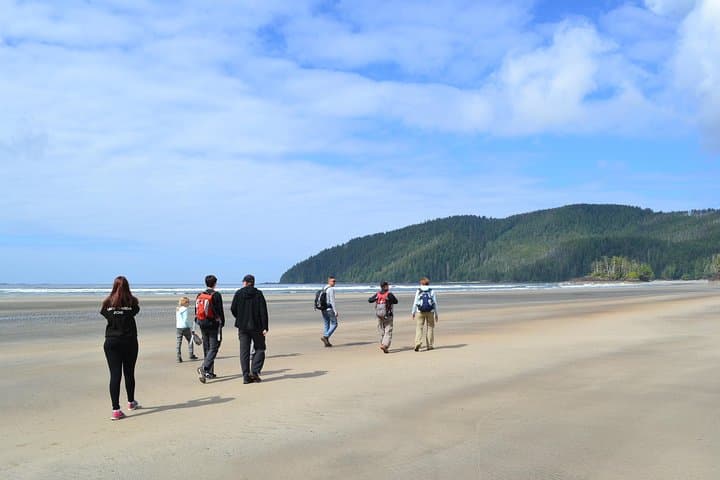
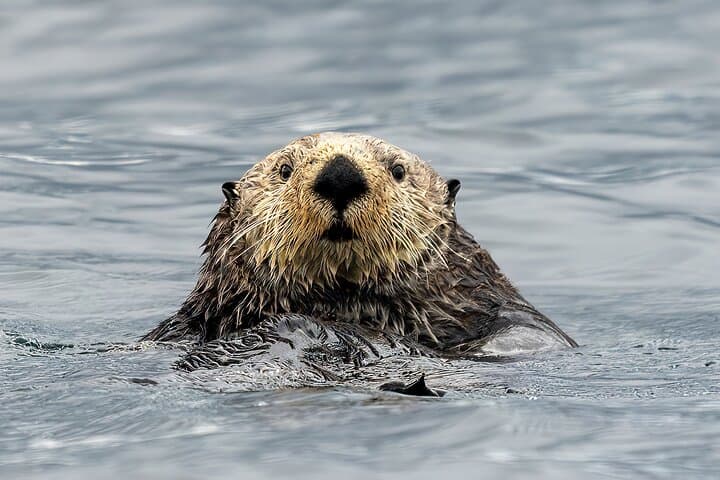
Port McNeill, twenty minutes on, is the practical town: supermarket, fuel, the ferry to Alert Bay, where the U'mista Cultural Centre holds the Kwakwaka'wakw potlatch collection returned from Ottawa. Port Hardy, forty minutes further, is the end of the highway and the base for Cape Scott Provincial Park, whose San Josef Bay walk is the most accessible taste of the island's wild north-west tip, and for boat tours that find sea otters along the outer coast.
This is the part of the island where distances stop being a detail. Book accommodation before you drive up, expect one restaurant option in the villages to be closed on any given night, and treat the drive north of Campbell River as a half-day rather than a transfer.
Getting there
Highway 19 north from Campbell River is the only road, two lanes through forest with few services. Pacific Coastal Airlines flies to Port Hardy (YZT) from Vancouver. BC Ferries' Inside Passage sailing to Prince Rupert leaves from Port Hardy's Bear Cove terminal.
What departs from here
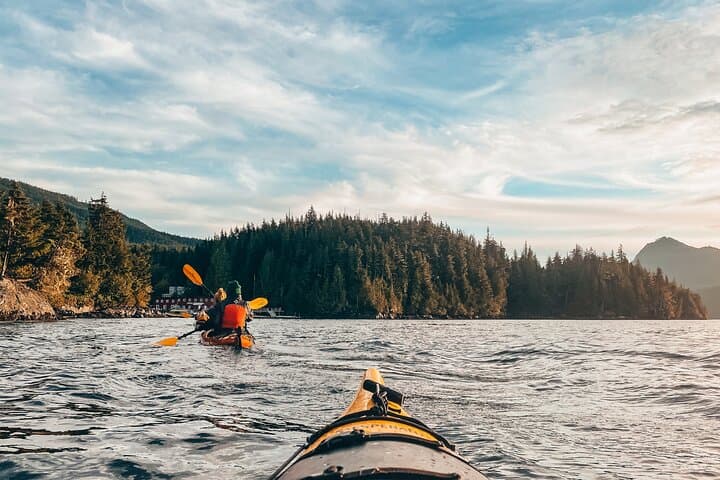
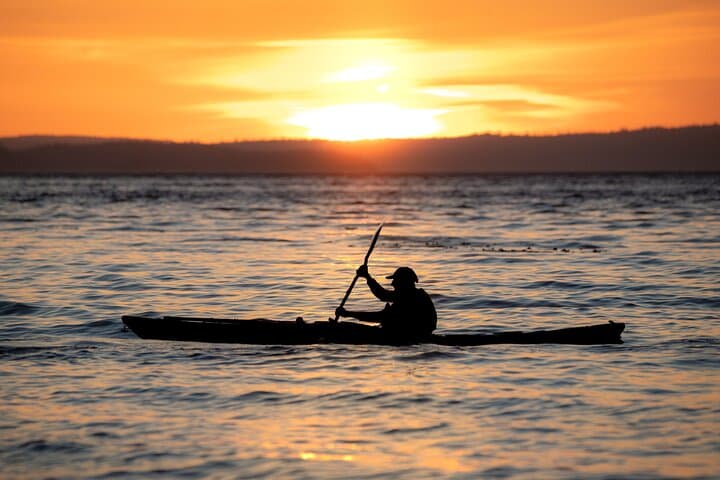
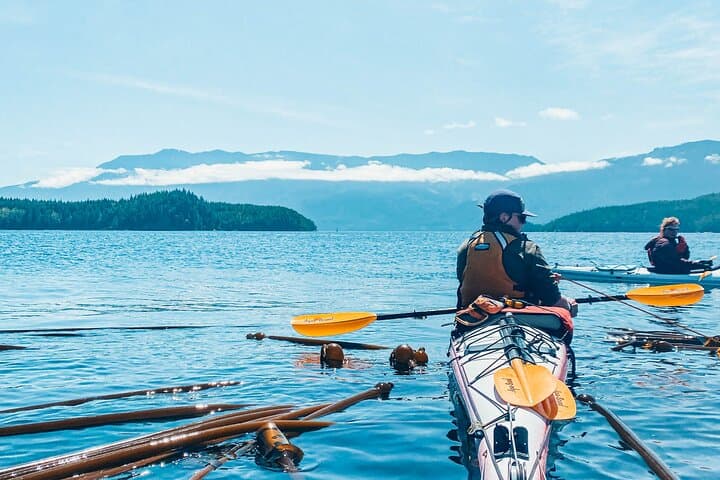
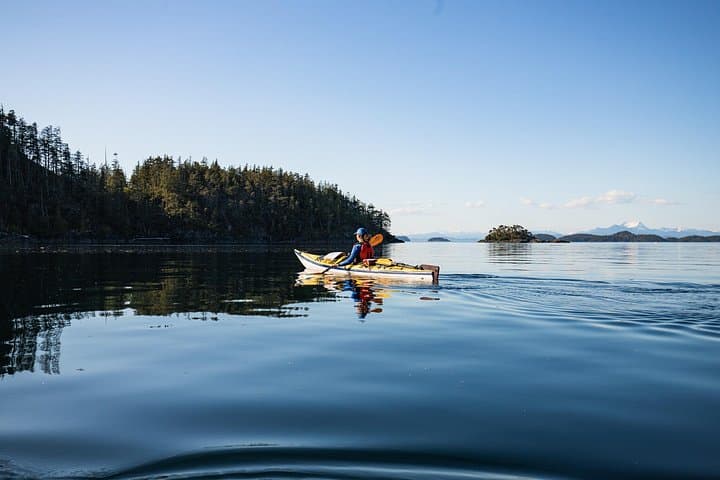
Whale-watching and kayak tours depart from the Telegraph Cove boardwalk; sea otter and wildlife boat tours, Cape Scott trips and bear kayaking leave from Port Hardy; canyoning meets in Port Alice. Nothing here picks up in Victoria or Nanaimo.
Staying
Two nights minimum, three if you want a whale trip and a Cape Scott day. Telegraph Cove has a resort with cabins and a campground on the boardwalk; Port McNeill and Port Hardy have motels and a handful of hotels, including an Indigenous-owned hotel in Port Hardy.
Season
The northern resident orcas are a June-to-October story with July to September the peak; most Telegraph Cove operators close for winter. Sea otters are year-round. Cape Scott trails are muddy outside high summer and the weather on the north-west coast turns fast in any month.
Know before you go
No public transport beyond a limited regional bus. Fuel and groceries are sparse. Cell coverage is patchy on the highway and absent on most trails. Telegraph Cove's accommodation sells out for July and August months ahead.